Industrial Aerial Robotics

Making a drone fly is easy.
Making one you can sell is not.

INVEA is an engineering consultancy for industrial drones and robotics. We join technology teams and take their system from concept to a product they can put on the market — usually in about six months.

Industrial aerial roboticsAustralia · Working globally

10+ yrs

Industrial aerial robotics

6 mo

Design template, concept to market

4

Supply regions: EU · CN · US · AU

16

Engineering disciplines under one engagement

Why projects fail

It is never one thing.
It is five, at once.

Mechanical, electrical, firmware, flight control and failure modes all have to be right simultaneously, and every one of them constrains the other four. Any one goes wrong and the whole project hits the floor.

  1. 01

    Mechanical

    Structure, mass, vibration, retention, service access — and every one of them a constraint on the other four.

  2. 02

    Electrical

    Power architecture, distribution, EMI, and boards that have to survive a flight-critical duty cycle.

  3. 03

    Firmware

    The layer where a mechanical or electrical compromise becomes a control problem nobody can debug.

  4. 04

    Flight control

    Tuning and control behaviour across the real envelope, not the one the demo was flown in.

  5. 05

    Failure modes

    What the system does when something breaks. Designed in from the start, or discovered in the field.

Worked example

GoPro Karma

GoPro launched the Karma in October 2016. Within weeks it recalled every unit sold — around 2,500 — because the battery could decouple from its connector and cut power mid-flight. The aircraft fell out of the sky. By January 2018 GoPro had exited the drone category entirely and cut roughly 250 jobs.

A battery retention problem ended a product line at a company whose core competence was the camera. It was not the hard part that killed it. It never is.

How it shows up

The decision that costs a year
is made long before it shows.

By the time it surfaces it is not a design change any more — it is a restart. These are the four situations we get called into most often.

01

The prototype flies, but not well enough to sell

It hovers in the car park and falls apart in wind, cold, or a real duty cycle. The gap between a demo and a product is where most projects stall — and it is almost never a tuning problem.

02

The board is on revision five

Each spin fixes the last one and introduces the next. Without someone who has taken a flight-critical board to production, the loop closes slowly and expensively.

03

Strong software team, no airframe experience

The autonomy stack is excellent. Nobody in the building has specified a motor, sized a harness, or watched a frame fail a drop test. Those gaps do not show up until integration.

04

The manufacturing quote came back at 3×

A design that was never costed for production usually cannot be value-engineered into one late. Production intent has to be present from the first concept, not retrofitted after the prototype works.

Portrait of Rasmus, founder of INVEA Engineering.

Where most engagements start

Meet your new
fractional CTO.

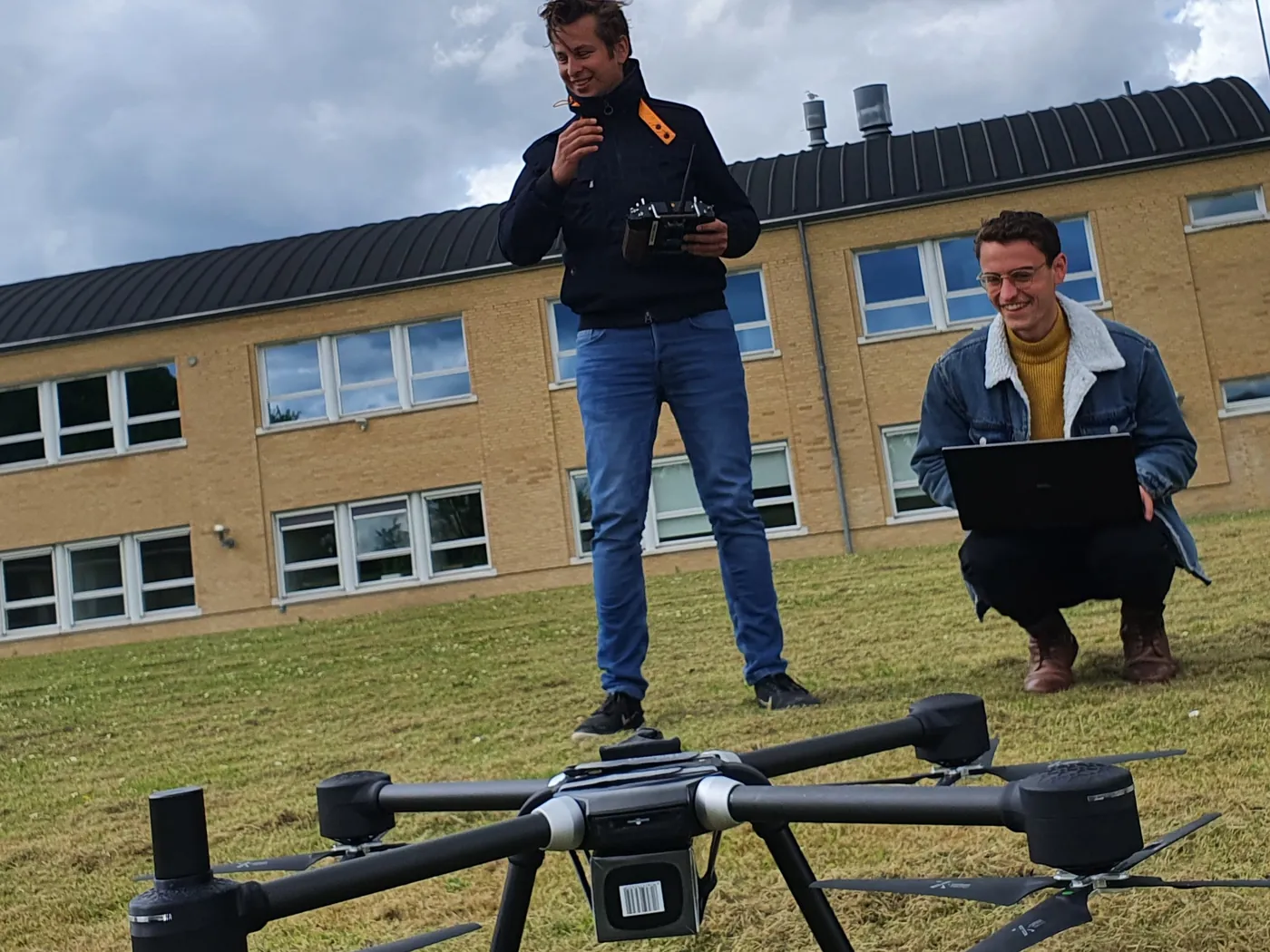
Most projects start with one senior engineer in the room who has built this before — working out the real specification with you, before anything expensive gets committed to.

That engineer is usually me. Here is the short version, in my own words.

Audio · 2:14Introduction from Rasmus
0:00 / 2:14

Engagements

Three ways to start.
One team behind all of them.

You are not hiring a role. However you begin, you get every discipline the project needs — mechanical, electrical, firmware, flight test, production, procurement — brought in when it needs them and stood down when it does not. No new contract each time the problem changes shape.

Engagement 01

Project Discovery

2 weeks

USD $4,500

Fixed price, agreed before we start

The front door. Two weeks with a senior engineer on your project — enough to work out what you are actually building, and whether the plan you have survives contact with all five disciplines.

  • Two weeks of part-time fractional CTO access
  • A minimum of three hours on live calls with you
  • A written project plan your team can execute against
  • Initial platform drafts, to make the concept concrete
  • Yours to keep and act on, with or without us

Engagement 02

Fractional CTO

Ongoing

Scoped per project

Where discovery usually leads, and it is not a solo appointment. We hold the technical direction with you — and bring in whichever disciplines the specification turns out to need.

  • The real specification, not the wish list
  • Architecture decisions made early, deliberately
  • Full specification and system renders as the design firms up
  • Mechanical, electrical, firmware and test engineers on tap
  • Supplier and make-or-buy calls, and the procurement to follow them

Engagement 03

Project Delivery

~6 months typical

Scoped per project

We run the project end to end on our six-month design template — concept, prototype, field deployment, production readiness — and hand you a product and the documentation to build it again without us.

  • Design across all five disciplines, in step
  • Prototype build, tuning and instrumented flight test
  • Supplier selection from an existing qualified network
  • Production planning and build documentation
  • A handover package your team can build from

Capabilities

Sixteen disciplines.
One engagement.

Every one of these sits inside a single engagement — you do not contract for them separately. Most consultancies cover part of a drone project and hand you the seams; we cover the whole thing, which is why the integration problems get found in design instead of in the field.

01

Industrial design

Form, ergonomics and field usability — designed alongside the engineering, not applied to it afterwards.

02

Mechanical design

Airframes, mechanisms and enclosures, engineered for stiffness, mass, serviceability and manufacture.

03

PCB & electrical

Schematic through layout for power, control and payload boards, including flight-critical hardware.

04

Power & energy

Pack and BMS design, cell selection, thermal behaviour and charging — the constraint that shapes every other decision.

05

Firmware & software

Embedded firmware, ground software and the interfaces that hold a system together.

06

Flight stack & control

Controller selection, configuration and control-system work on open and proprietary stacks.

07

RF & communications

Link budget, antenna placement and integration, command-and-control and video links, coexistence and spectrum.

08

Sensor integration

Payload and sensor selection, mounting, synchronisation and data path — through to usable output.

09

Harness & cabling

Looms designed and built for vibration, EMI, serviceability and repeatable assembly.

10

Safety & failure modes

FMEA, redundancy architecture and containment — what the aircraft does when a motor, cell or link drops out.

11

UAV tuning

Getting an aircraft from flyable to stable, efficient and predictable across its real envelope.

12

Flight testing

Structured test campaigns with instrumented results — not a pilot reporting that it felt fine.

13

Certification & regulatory

Operational authorisation and the product side of compliance: EMC, radio equipment, and lithium transport.

14

Prototype builds

Hands on the hardware: machining, assembly, soldering and rework, in-house.

15

Production planning

Design for manufacture, assembly process, jigs, test rigs and build documentation.

16

Supply chain

A supplier network built specifically around these systems, across Europe, China, the US and Australasia.

Sectors

Ten years of projects
in demanding environments.

Industrial unmanned systems, where the operating environment — not the demo — decides whether the design works.

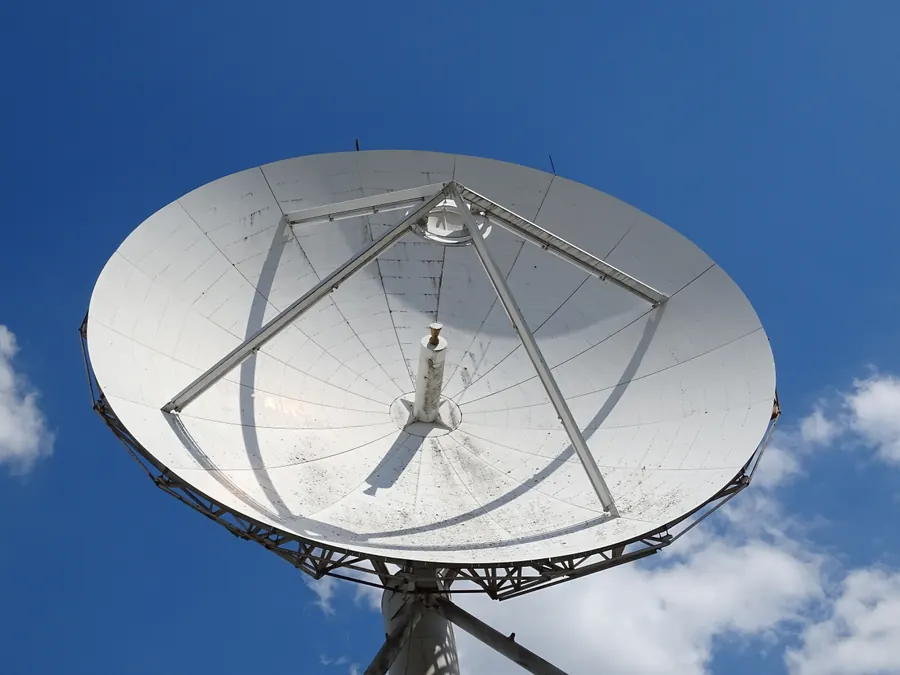
RF & SATCOM

Aircraft built for satcom antenna calibration.

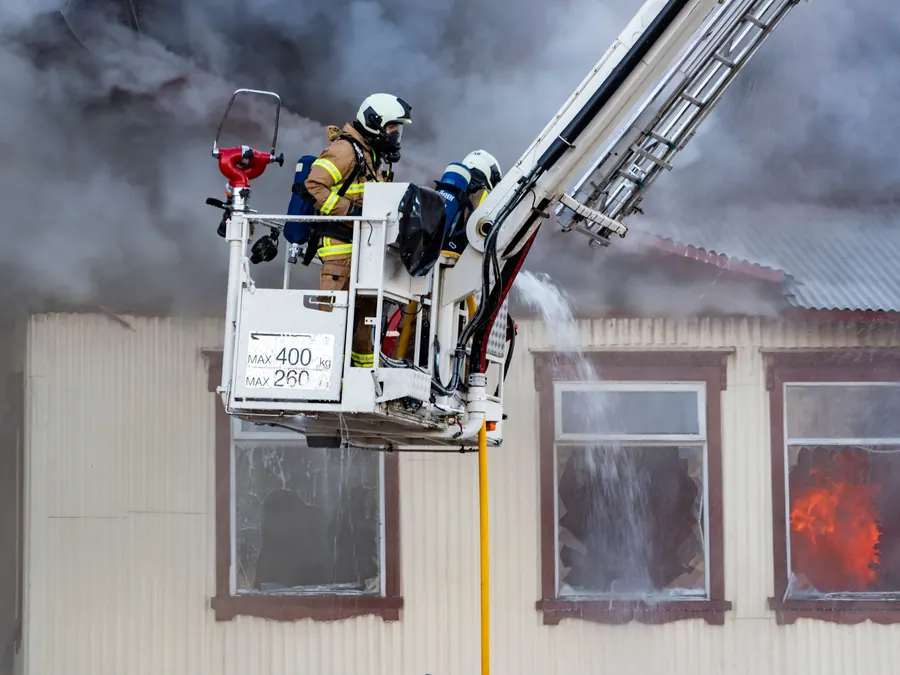
Police & fire

Field-deployed systems for emergency services.

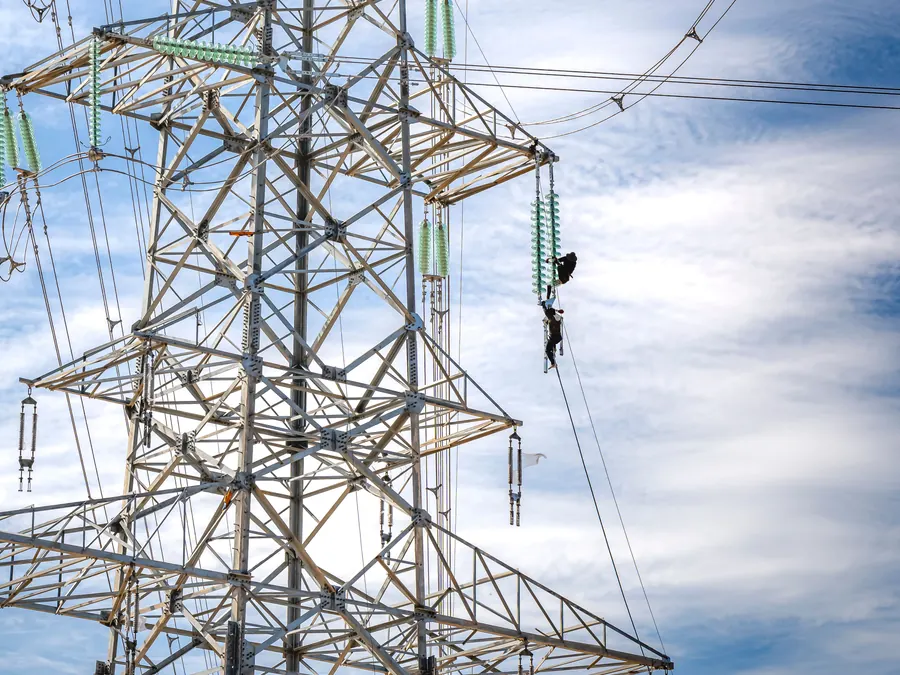
Utilities

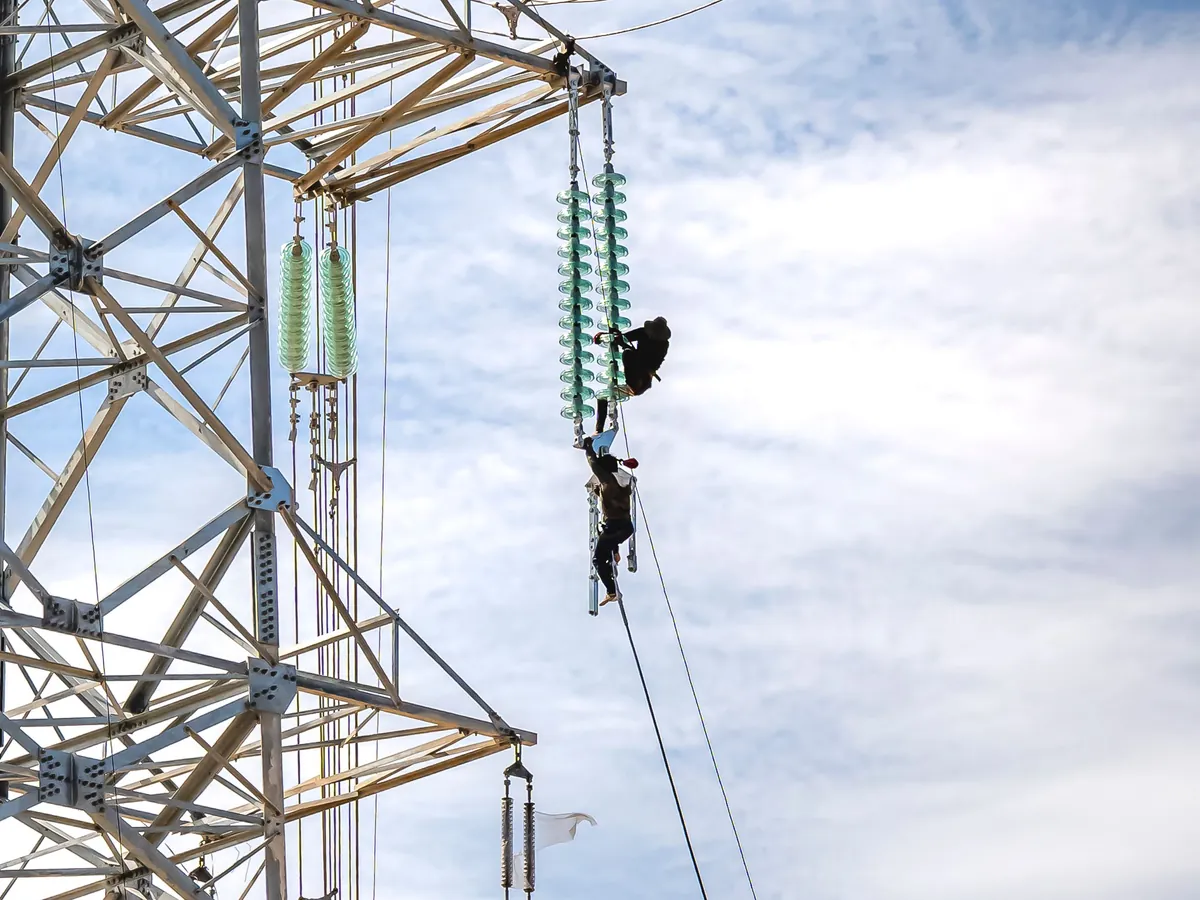
Live-line contact drones for transmission infrastructure.

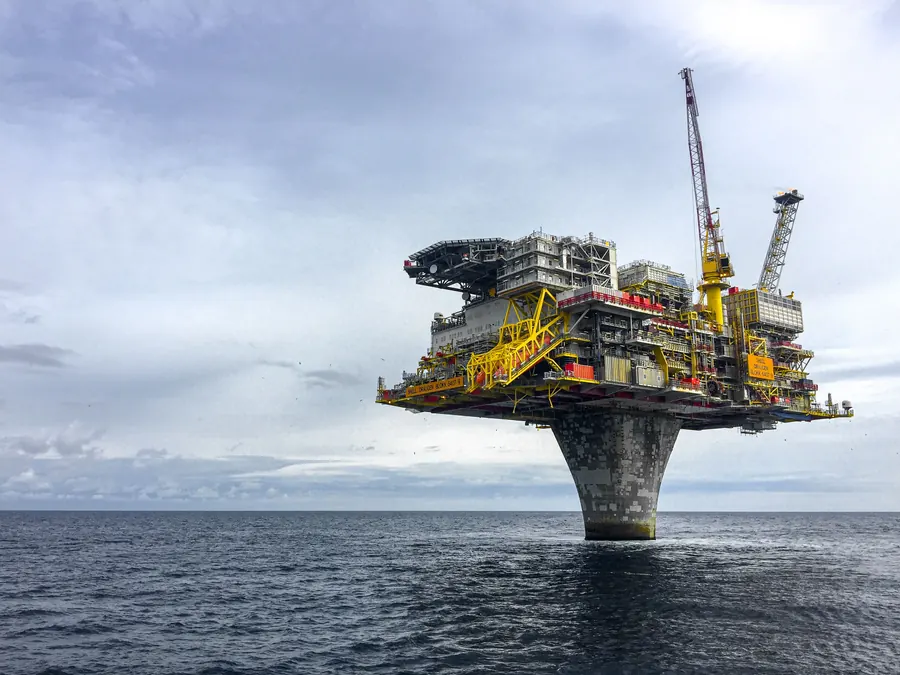
Industrial

Inspection and survey where access is the hard part.

4 sectors · client names withheld under NDA

How we work

No discovery phase.
We start where you are.

You have already done work. The first thing we do is understand it properly, not restart it.

01

Read the project

Your drawings, boards, logs, BOM and plan. We come to the first call having done the reading, not asking you to explain your own project.

02

Fix the specification

What the system actually has to do, and what that forces in every discipline. Most projects are wrong here and do not know it yet.

03

Make it concrete

Renders, a spec sheet and a timeline. Your first phase goes from months to weeks, and you have something to show a board.

04

Do the work

Hands on the hardware, through to something you can build and sell — on the six-month template where the complexity allows it.

Selected work

Three engagements,
described as they happened.

Names and identifying detail are withheld under NDA.

Police & fire · Defence

A secure industrial platform, in production inside a year

Situation
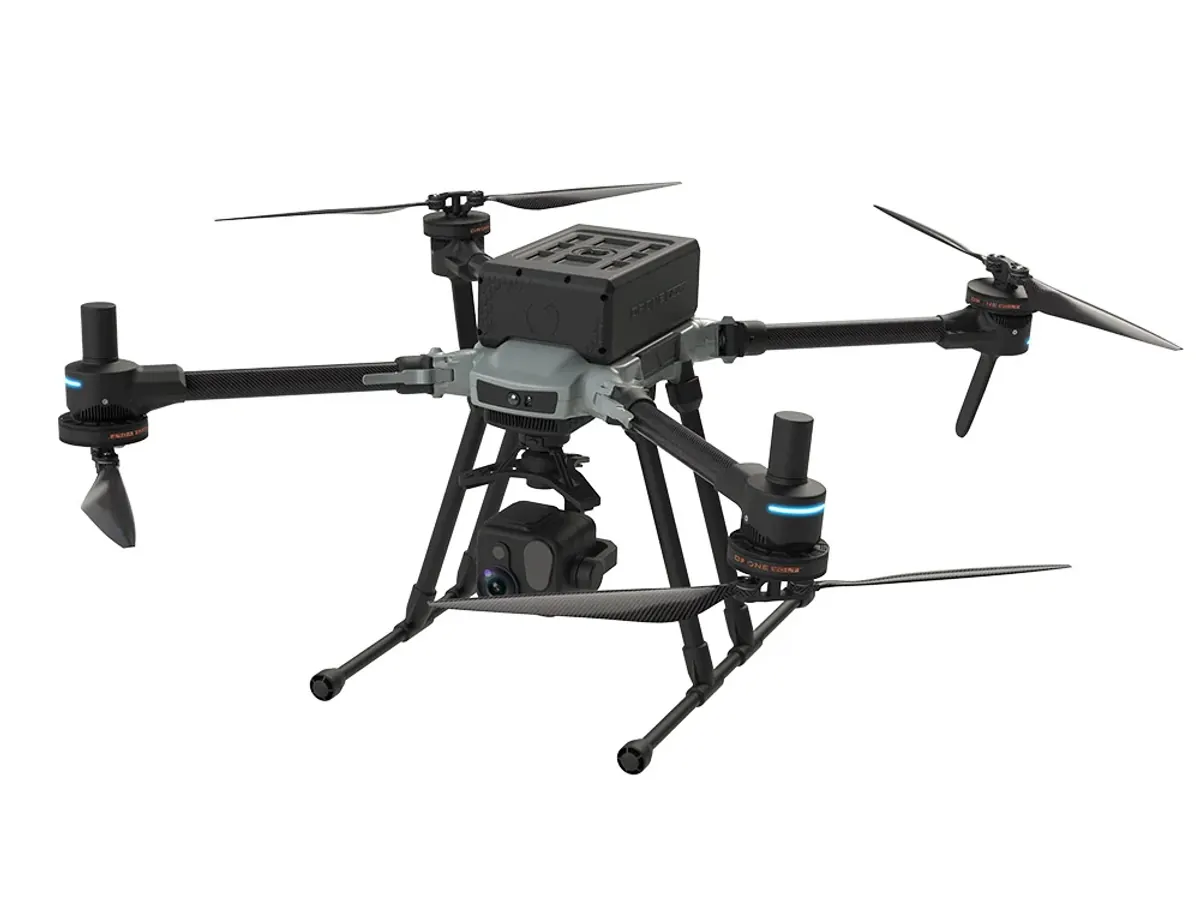
One manufacturer dominated the market, and for police, fire and defence users that was a procurement problem rather than a technical one — data security was a top-level requirement, and the dominant platform could not satisfy it. A European manufacturer set out to build the robust industrial alternative those agencies could actually buy.
What we did
We were lead designer on the platform, from first concept through to production. We drove the early concept iterations, the PCB and mechanical architecture, the approach to payload integration, the failure-mode testing, and the production planning behind it.
What changed
The first production-ready aircraft was complete in under a year. It is now in field deployment with firefighting, police and defence users.

Utilities

A platform certified for contact at 765 kV

Situation
A North American utility had conceptualised an aircraft that lands directly on live transmission conductors, and wanted it commercialised. A European manufacturer took the commercialisation contract, and we worked alongside them to lead the design.
What we did
We led the design across three successive versions. Each one tightened the same interlocking set of constraints: EMI response, PCB architecture, the general mechanical structure, and producibility — because on a live-line aircraft none of those can be solved on its own.
What changed
The platform is in commercial use, certified for contact with conductors at up to 765 kV.
All selected work

How we are built

A few clients at a time.
Deliberately.

INVEA is a network of senior aerial-robotics engineers. Every engagement is staffed with people who have taken a design from an idea to something that flies, sells and can be built again.

We run intense, fast-tracked projects and we take on only a few clients at once. That is not scarcity marketing — it is the only way to give a project the focus that compresses it into six months instead of three years.

There are no juniors on the bench and nobody learning on your project. You get the disciplines you need, for the part of the project that needs them, and they come off the project when they are done.

Twenty minutes,
straight to an engineer.

Bring a drawing, a board, a flight log or a plan, and we will get into the technical questions on your project. No discovery deck, no sales sequence — if we are not the right people we will say so on the call.